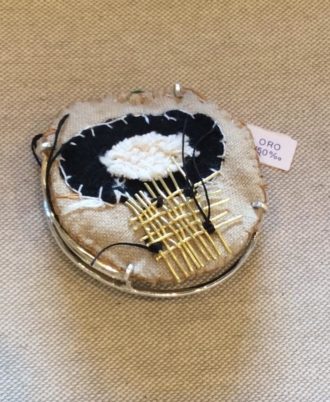

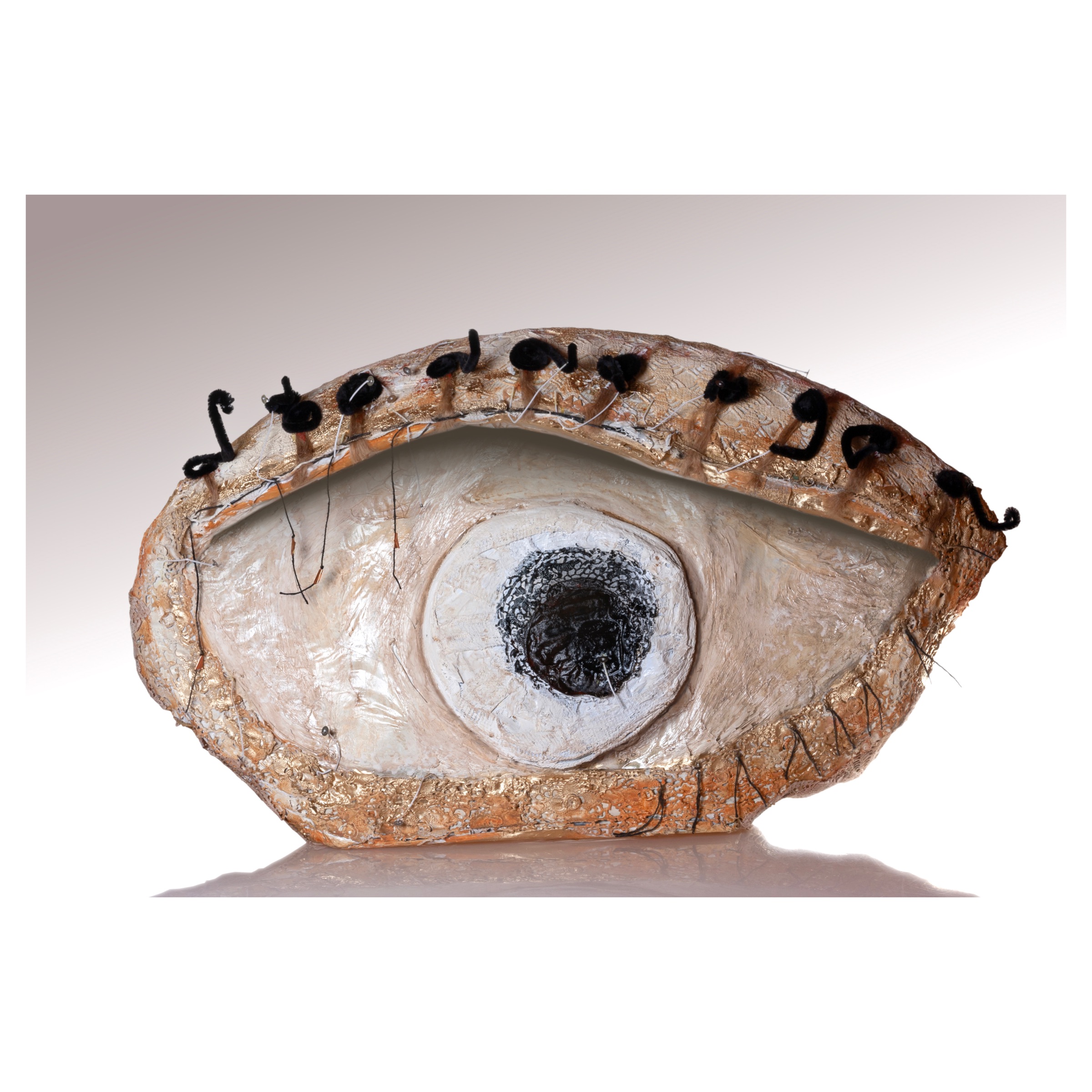
The eye has always been at the center of human culture—transformed into symbols, placed at the heart of rituals, and made the protagonist of metaphors.
Sacred, mysterious, destructive, melancholic, absent… eyes have long fascinated artists of all eras.
From the divine symbolism of the Eye of Horus of ancient Egypt, to the intensity of the arched-browed eyes of the Romans, from the purity of the gazes watching us in the frescoes of Pompeii to the large hieratic eyes of Byzantine art, Art has often spoken to us through this part of the face.
Beyond its sacred aspect, the eye was also attributed with a destructive and mysterious power (as in Caravaggio’s Head of Medusa). Over the centuries, the depiction of eyes underwent various transformations, eventually becoming dark wells — symbols of incommunicability.
In more recent times, eyes have even been extracted from the context of the face, with surreal and unsettling results in the works of Magritte and even more so in Salvador Dalí, for whom the eye becomes a true obsession.
In the digital age, the EYE becomes the perfect synecdoche (a part representing the whole) of our body.
Caught up in our technological devices, we daily focus our main attention on the eye and the finger typing on the keyboard. Think about it during the Covid pandemic—behind our protective masks, communicating only with our eyes, and especially through our digital devices.
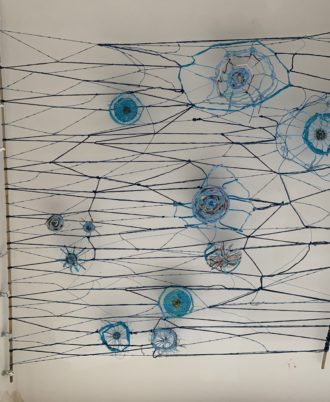
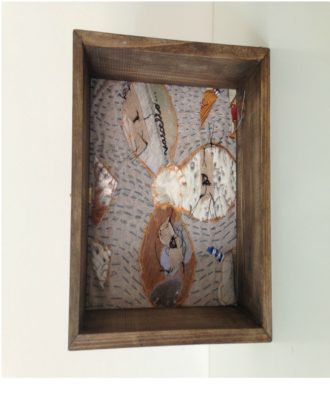
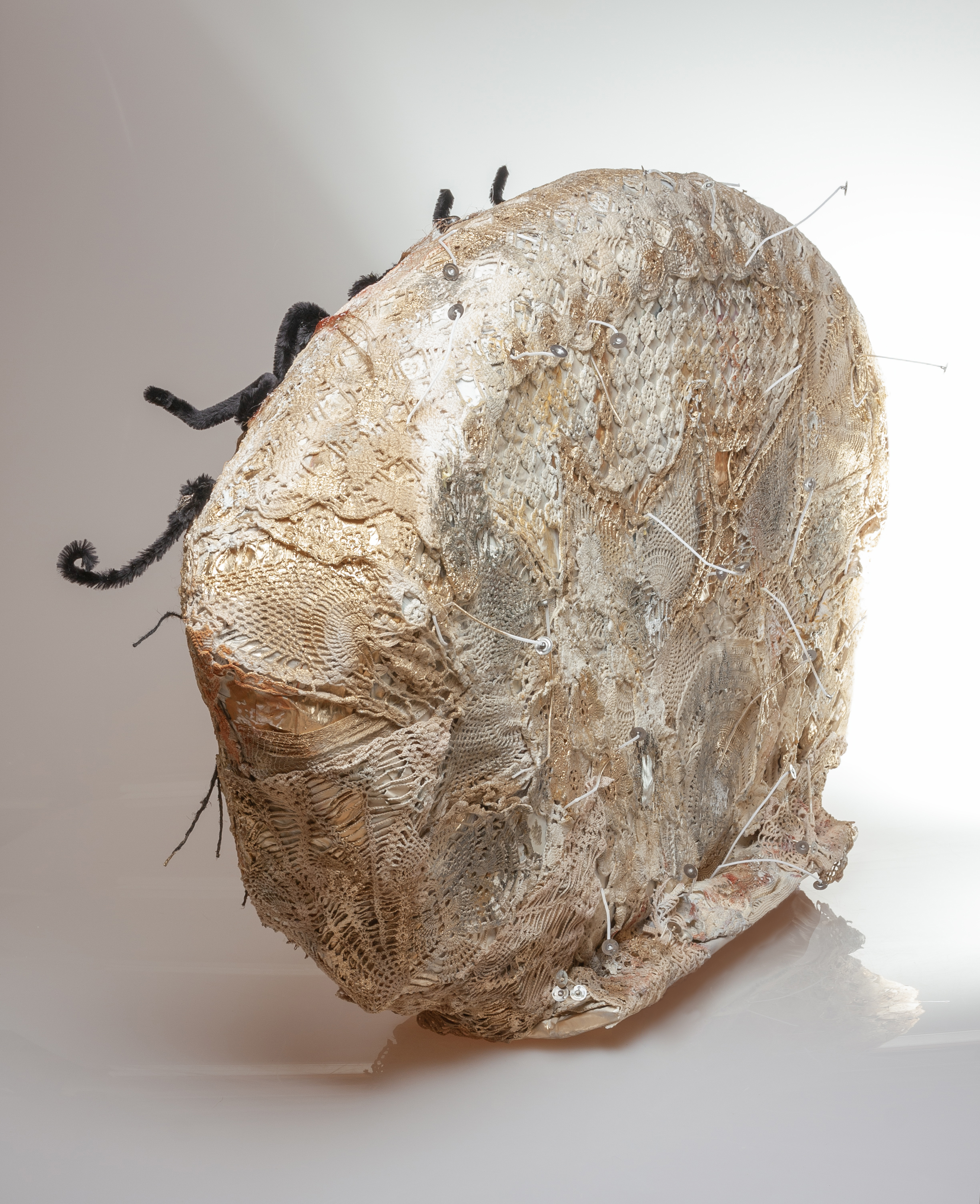
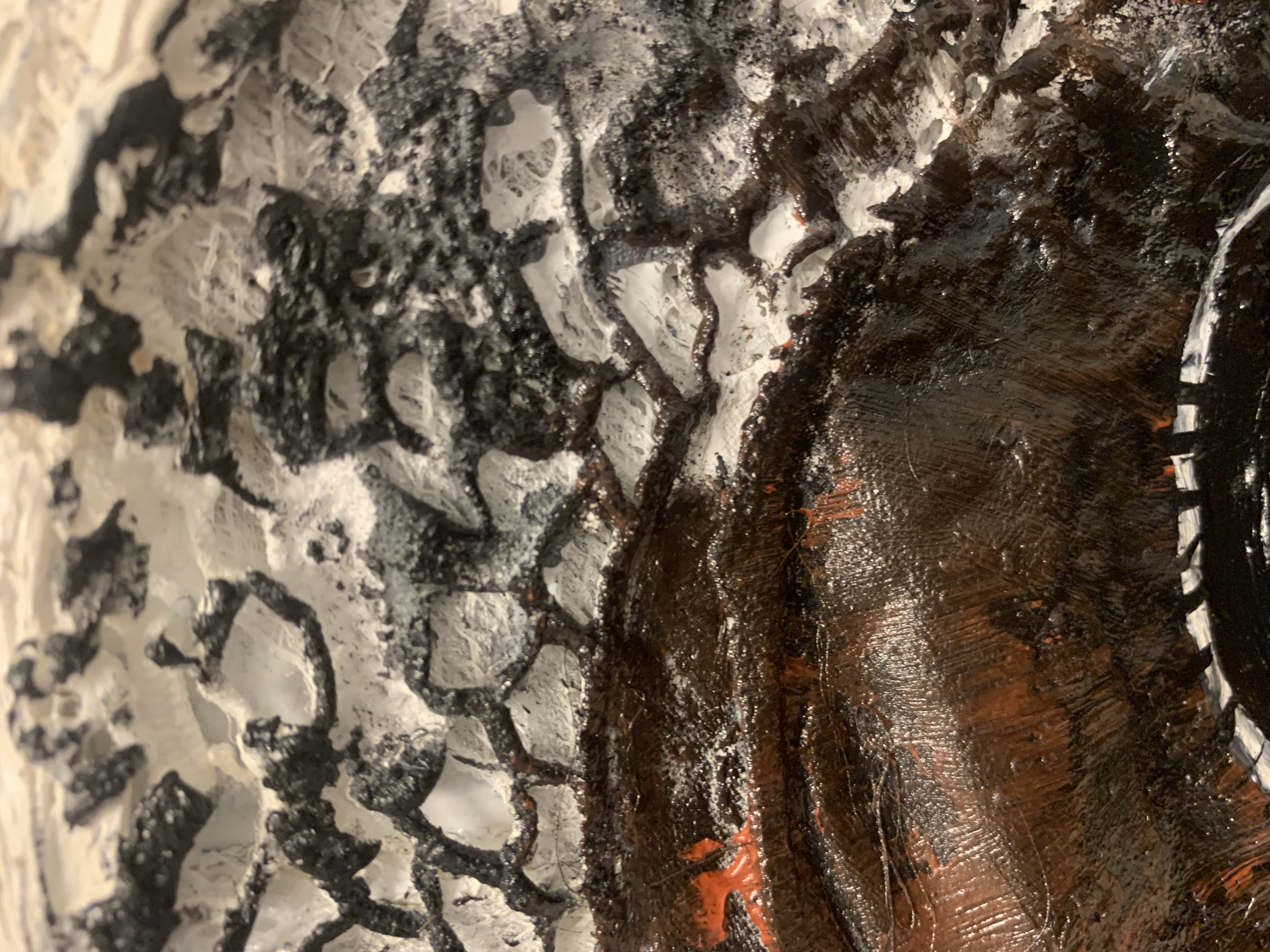
I then imagined finding among the “ruins” a fetish eye with an archaic appearance, transformed into a cemetery of antennas. An unsettling image that prompts reflection, yet still retains its fascination.