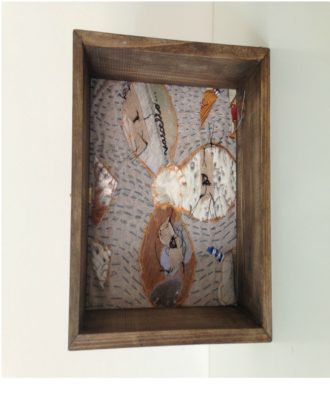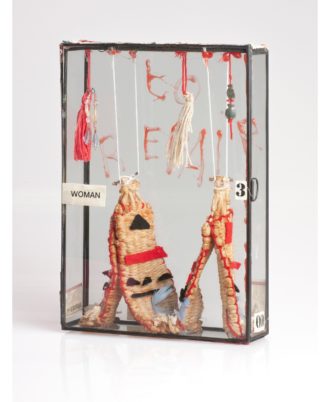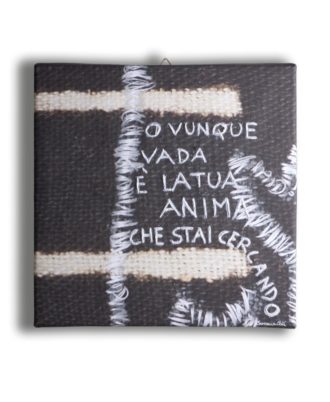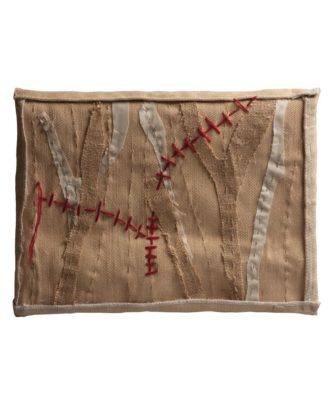
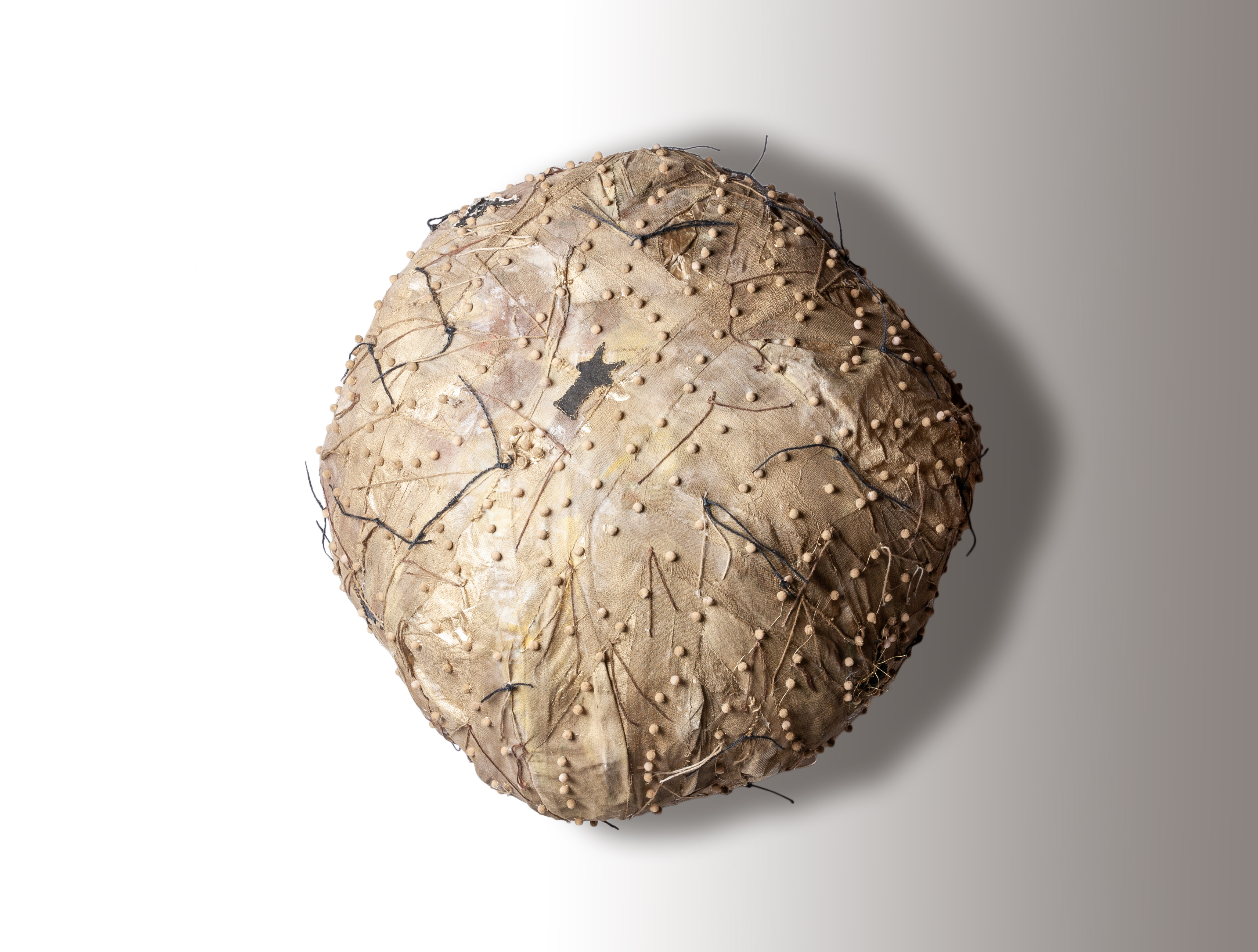
The inspiration for the work comes from a play by Marguerite Yourcenar, “Qui n’a pas son minotaure?”, a piece that attempts to explore the unconscious labyrinths of the human soul — with the fragmented individuality of the corridors in the Palace of Minos serving as metaphorical symbols.
The labyrinth presents challenges worse than death, solitudes more fatal than battle. The Minotaur is the beast to confront, the lurking enemy; it is a metaphor for the fears that may lie hidden within us. To defeat them, the work subtly offers a suggestion: we must descend into those labyrinths that grip the soul, into that inner forest where it is difficult to find our way. Fear is truly the enemy to overcome, that shameful thing to be rid of — or is it, rather, a tool waiting to serve us, a powerful ally on the path to elevation? If that is so, then what are strength and courage, really? It is not about fighting our fears, nor about not having them. It is about living them, experiencing them, and gradually learning to accept and deeply integrate them. Just as lead becomes gold through the philosopher’s stone, so fear becomes strength, energy, elevation, transcendence… when it is sublimated through the philosopher’s stone of acceptance and knowledge.
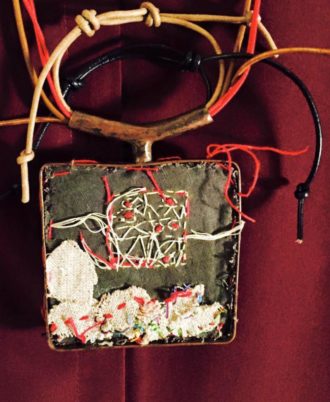
The work is the construction of an archaic monolith (stone) that contains within itself the elements of the labyrinth and the presence of minotaurs (fears). In that inner forest of broken and disjointed threads, there is a continuous will to untangle oneself in order to face the minotaurs.
The work was selected for the exhibition TRANSFORMATIONS at the Museu de la Pell in Igualada, Spain, in 2025.